
Why Am I Losing Hair in My 20s or 30s? [2026 Full Guide]
![Why Am I Losing Hair in My 20s or 30s? [2026 Full Guide]](http://us.breo.com/cdn/shop/articles/why_hair_loss_in_20s.png?v=1776843674&width=1100)
Noticing hair thinning in your 20s or 30s can feel unexpected—but it’s far more common than most people think. Early-stage hair loss is no longer limited to older age groups. Increasingly, both men and women experience visible shedding or density loss during their 20s and 30s.
The key to understanding is this: early hair loss typically has a clear underlying cause, and in many cases, progression can be slowed when addressed promptly.
This guide breaks down what’s actually happening, how to identify early warning signs, and what practical steps you can take to protect and strengthen your hair.
Part 1. What Causes Hair Loss in Your 20s and 30s?
Hair loss rarely appears without reason. In most cases, it develops from a combination of genetics, hormones, lifestyle stressors, and scalp health issues.
1. Genetic Hair Thinning (Most Common Cause)
Hereditary hair loss—often called androgenetic alopecia—is the leading cause of early thinning.
Here’s what typically happens:
- Hair follicles become sensitive to DHT (a hormone linked to hair miniaturization)
- Follicles gradually shrink over time
- Hair grows back thinner, shorter, and eventually stops regrowing
This process can begin subtly in the early 20s, even before visible bald spots appear.
2. Stress-Triggered Hair Shedding
High physical or emotional stress can push more hair follicles into the shedding phase, a condition known as telogen effluvium.
Common triggers include:
- Work pressure or burnout
- Emotional distress or major life events
- Illness or surgery recovery
- Rapid weight loss or restrictive dieting
A key characteristic is that shedding often begins 2–3 months after the stressful event, which makes it harder to immediately connect the two.
3. Hormonal Imbalance
Hormones regulate the natural hair growth cycle. Even mild changes can lead to noticeable thinning.
Common hormonal triggers include:
- Thyroid dysfunction
- Starting or stopping birth control
- Pregnancy and postpartum changes
- PCOS or endocrine imbalance
Hormonal-related hair loss is usually diffuse rather than concentrated in one area.
4. Nutrient Deficiencies
Hair is highly dependent on consistent nutrient intake. When the body lacks key nutrients, hair is often one of the first areas affected.
Most common deficiencies linked to shedding:
- Iron
- Vitamin D
- Zinc
- Protein
When these are low, hair strands become weaker, finer, and more prone to breakage and shedding.
5. Poor Scalp Health
Healthy hair begins at the scalp. If the scalp environment is imbalanced, follicles cannot function optimally.
Common scalp issues include:
- Excess oil buildup
- Dandruff or inflammation
- Clogged follicles
- Poor microcirculation
Over time, these conditions can slow growth and reduce hair density.
6. Styling Damage and Daily Habits
Sometimes hair loss is not internal but caused by repeated physical stress.
Typical contributors:
- Frequent heat styling (straighteners, curling irons)
- Bleaching or chemical treatments
- Tight hairstyles (ponytails, braids, extensions)
- Rough brushing or excessive manipulation
This type of damage often leads to breakage that looks like thinning.
Part 2. Early Signs of Hair Loss You Should Not Ignore
Detecting hair loss early significantly improves the chances of slowing it down.
In Men:
- Receding hairline at temples
- Thinning at the crown
- Gradual “M-shaped” hairline development
In Women:
- Widening part line
- Reduced volume on the top of the scalp
- Overall loss of density when styling
Common Signs for Both:
- More hair shedding during washing or brushing
- Increased hair on pillows or clothes
- Hair feeling finer or weaker than before
- Scalp becoming more visible under light
Quick pattern guide:
- Gradual thinning → often genetic
- Sudden heavy shedding → often stress or lifestyle-related
Part 3. How to Slow Down or Prevent Early Hair Loss
While genetics cannot be changed, the speed of hair loss progression can often be influenced significantly through consistent care.
1. Improve Scalp Circulation and Follicle Activity
Healthy hair growth depends on steady blood flow delivering oxygen and nutrients to follicles. Supporting scalp circulation is one of the most effective early interventions.
Helpful habits:
- Daily scalp massage (5–10 minutes)
- Gentle mechanical stimulation tools
- Consistent scalp care routine
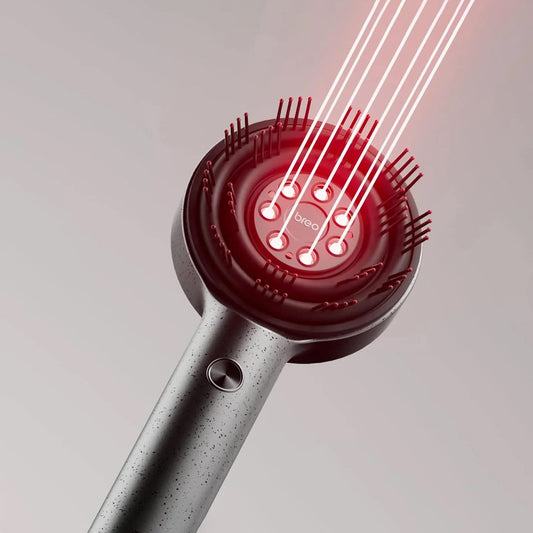
Devices such as the LLLT scalp massager LumiHeal Pro combine low-level laser therapy with scalp massage to support microcirculation and follicle stimulation. With consistent use, it may help create a healthier scalp environment and support stronger-looking hair as part of a broader routine.

2. Reduce Long-Term Stress
Chronic stress is one of the most underestimated contributors to hair shedding.
Effective stress-management habits:
- Regular exercise
- Consistent sleep schedule
- Breathing exercises or mindfulness practices
Even moderate stress reduction can improve shedding patterns over time.
3. Strengthen Nutrition for Hair Growth
Hair health depends on consistent nutrient supply.
Focus on:
- Protein (eggs, fish, lean meats)
- Iron-rich foods (spinach, red meat, legumes)
- Healthy fats (avocado, nuts, seeds)
If deficiency is suspected, lab testing is more reliable than self-supplementing.
4. Build a Gentle Hair Care Routine
Daily habits matter more than occasional treatments.
Best practices:
- Use mild, sulfate-free shampoo
- Avoid aggressive washing or over-washing
- Reduce heat styling frequency
- Avoid tight hairstyles that stress follicles
The goal is to reduce mechanical and chemical stress on both scalp and hair strands.
5. Act Early if Hair Loss Runs in Your Family
Genetic hair loss progresses gradually, which creates a critical window for intervention.
Why early action matters:
- Follicles shrink progressively over time
- Once fully miniaturized, regrowth becomes difficult
- Maintenance is significantly easier than restoration
Early care strategies can meaningfully slow long-term progression.
Final Thoughts
Hair loss in your 20s or 30s is usually not sudden—it’s often the result of genetics, stress, hormonal shifts, scalp imbalance, or daily habits accumulating over time.
The key takeaway is simple:
The earlier you respond, the more control you have over long-term hair density.
With consistent scalp care, balanced nutrition, stress management, and gentle routines, it is often possible to slow thinning and support healthier-looking hair over time.
Breo Care - Modern Wellness Blog
-
 Save $150Regular price $179.99Sale price $179.99 Regular priceUnit price per
$329.99Sale
